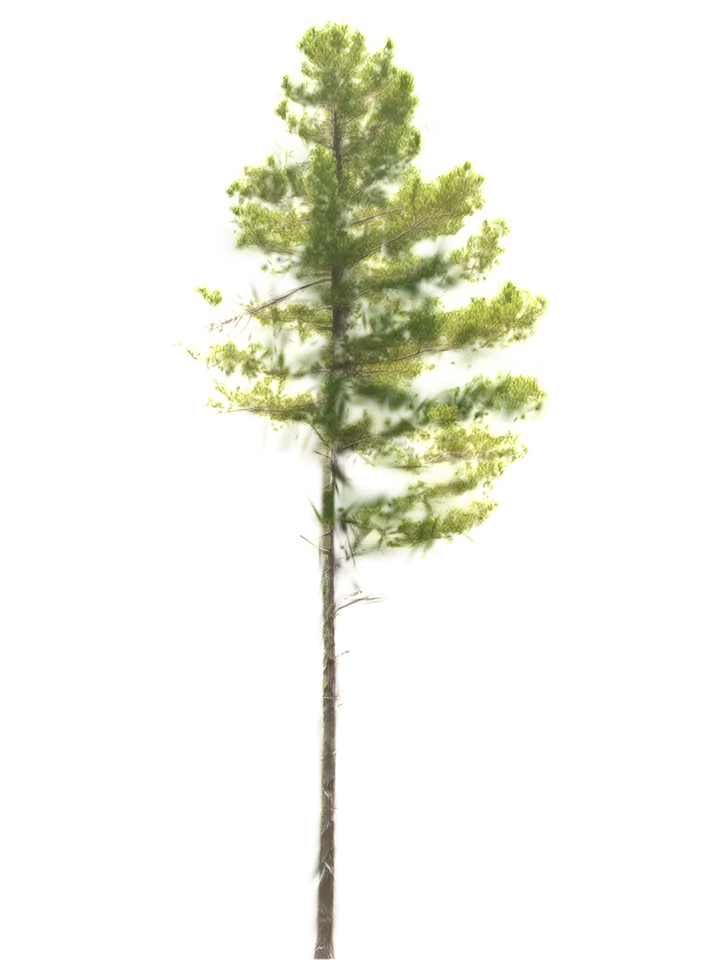
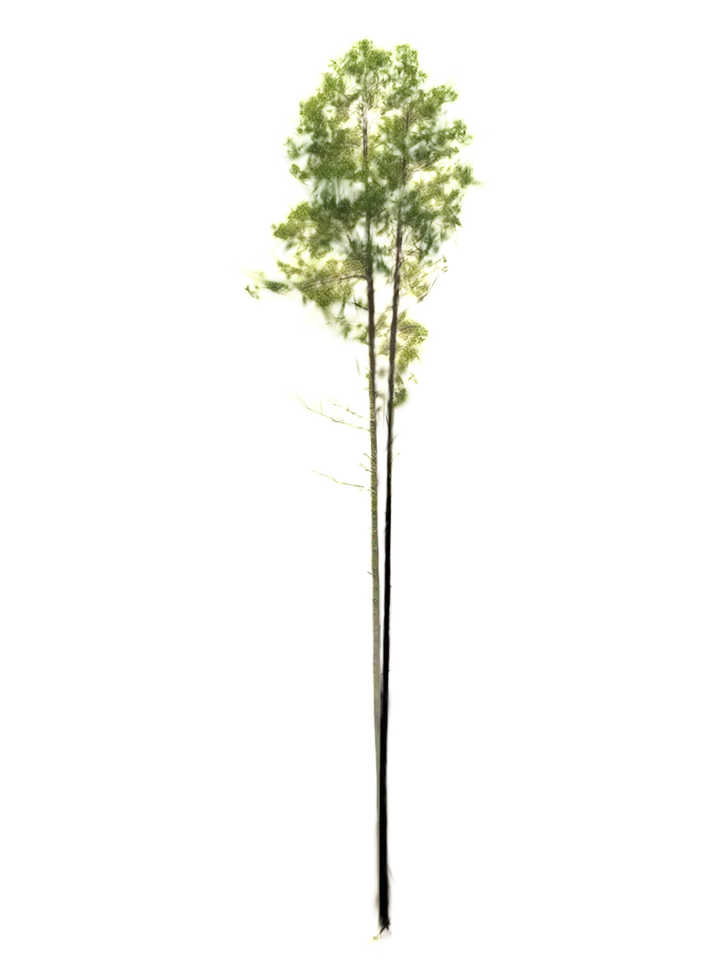
Tall, straight stem
Height 91 ftDBH 20.4 inCrooks 0
Coolant’s 3D Forest Vision uses advanced AI to reconstruct, measure, and manage the world’s forestlands.
A refinery knows its barrels. A warehouse knows its pallets. Forestry runs on samples: a handful of plots, a few hundred trees, extrapolated across thousands of acres. Not for lack of wanting better data, but because measuring every tree was impossible. It isn’t any more.
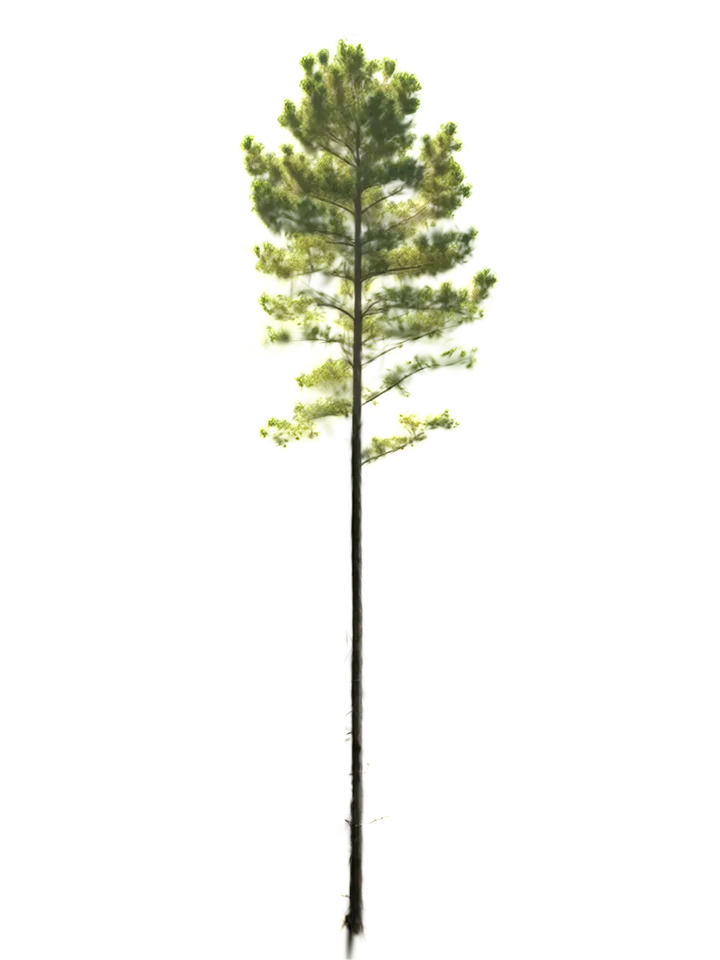
Our AI extracts every individual tree from the 3D model. This is one of them.
Scroll to rotateFor this tree: height, diameter at breast height, leaf area and pole potential. Every number sits on the tree it came from.
Pole length is a model estimate. Confirm in the field.
Each tree is measured and graded on its own: a tall straight stem, a grade 1 sawlog, a big crooked one, and a fork the model flagged. Forks, sweep and broken tops show up in the 3D model, so defects are found at the desk and confirmed in the field.
Height 91 ftDBH 20.4 inCrooks 0
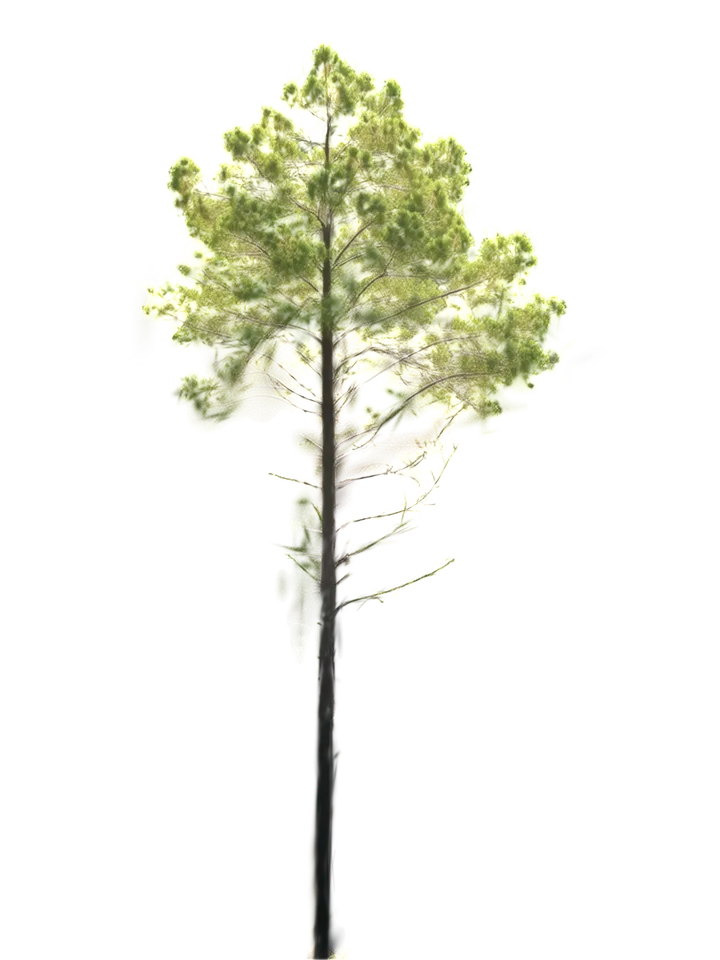
Height 83 ftDBH 21.0 inSweep 0.7 in/8 ft
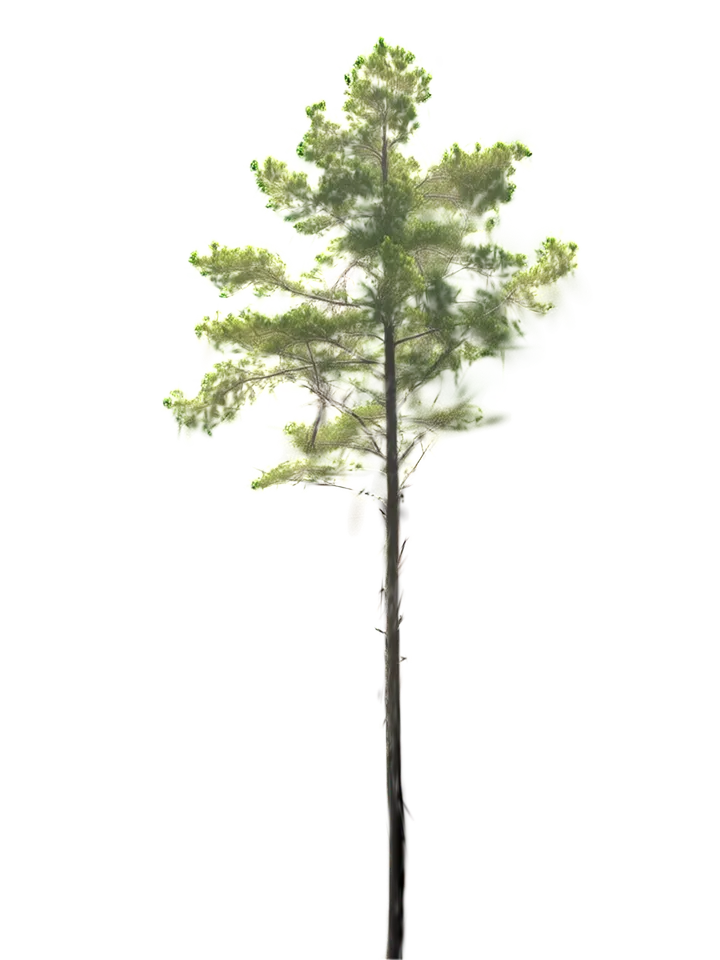
Height 97 ftDBH 24.5 inCrown base 61 ft
Height 76 ftDBH 12.6 inFork at 22 ft
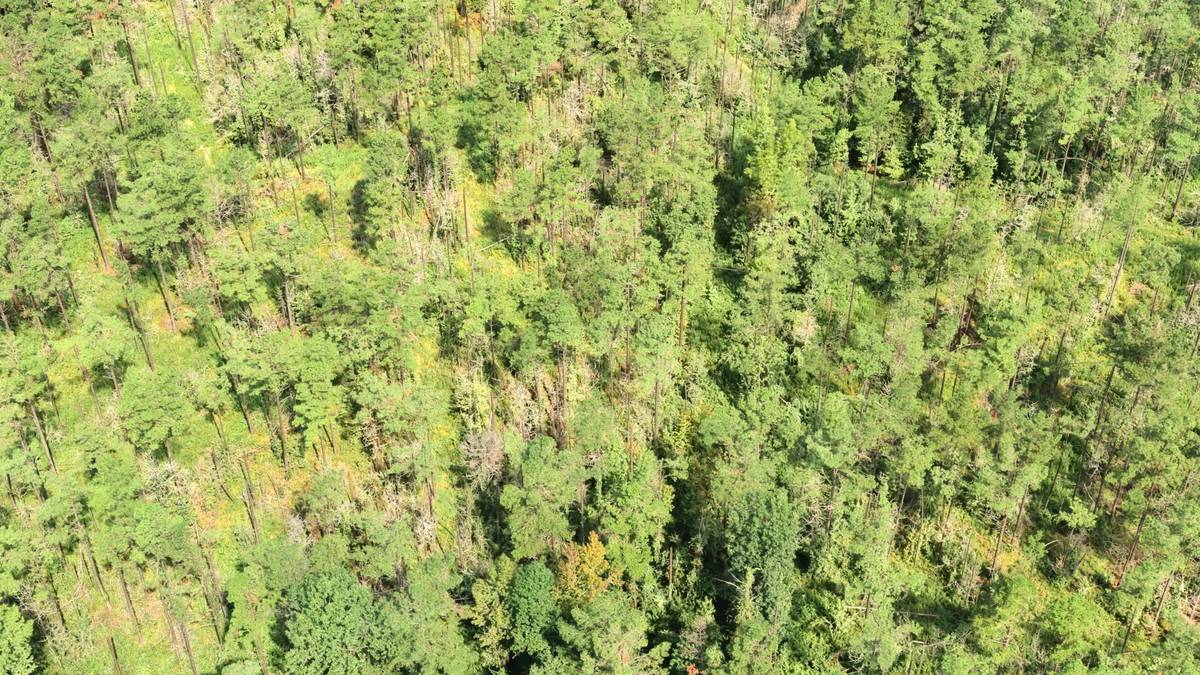
Scroll to fly over the property. The layers switch on as you go.
Sawtimber, chip-n-saw and pulpwood, estimated for every stem and totalled for the tract.
Dead and damaged trees found across the stand, with the healthy ones still in view, so a crew knows where to go.
4,208 trees flagged on this tractOne flight answers inventory, silviculture and carbon questions. Fly once, use the data three ways.
A full tree list from the air: species, height, DBH and grade for every stem, including how many poles you have and the DBH of each. After a storm, know how many trees are dead or broken, and where, before anyone drives out.
See where competing hardwoods are dense enough to spray, where fertilizer will pay, and which stems are pole candidates, before the crew walks the block. Leaf area and stem defects for every tree.
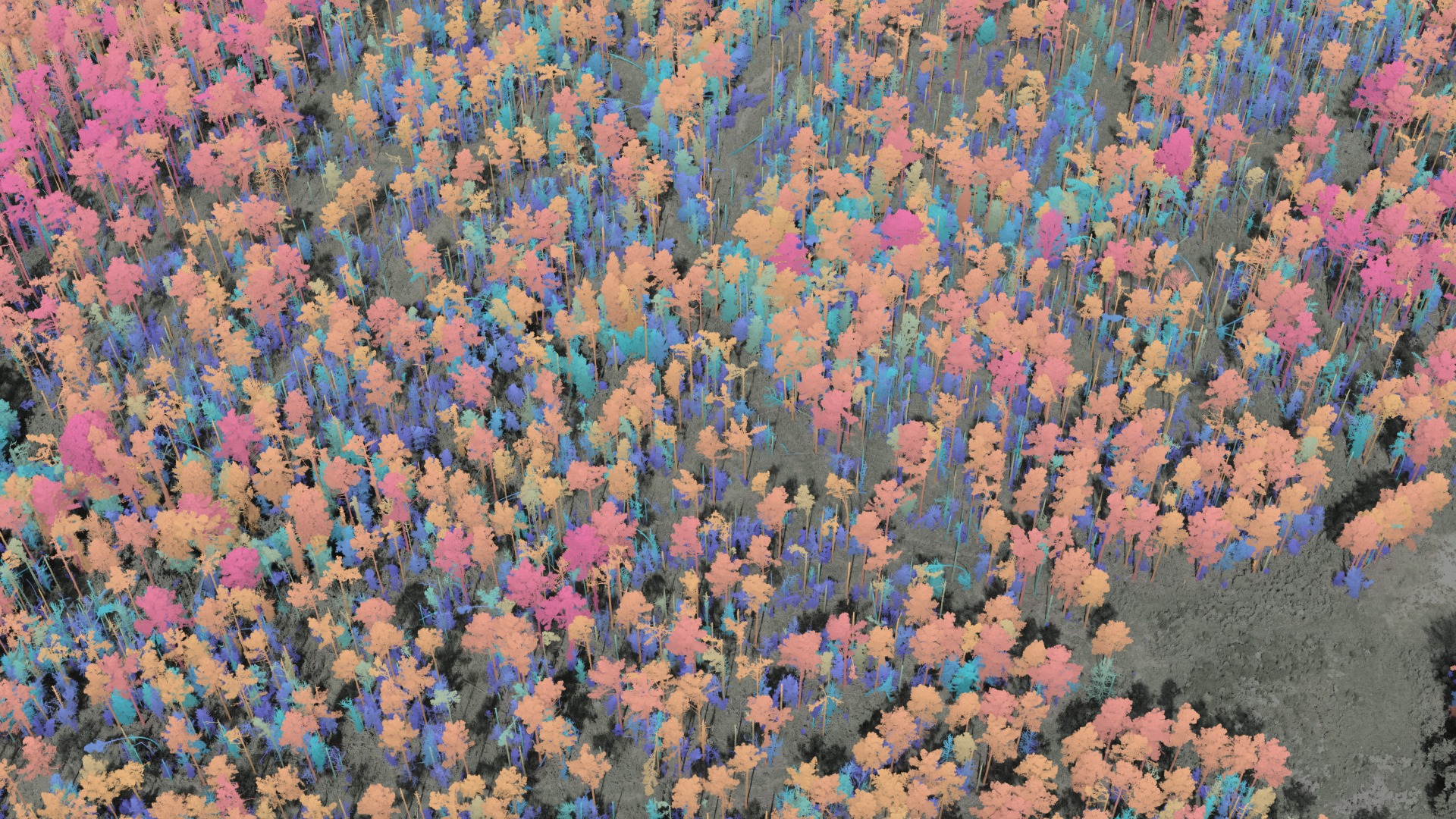
Biomass and carbon estimated per tree from measured structure, then re-flown for monitoring, reporting and verification. Blue carbon expertise for mangrove projects worldwide.
Discuss a carbon projectEvery layer is calculated on the same trees. Pick one to see it.
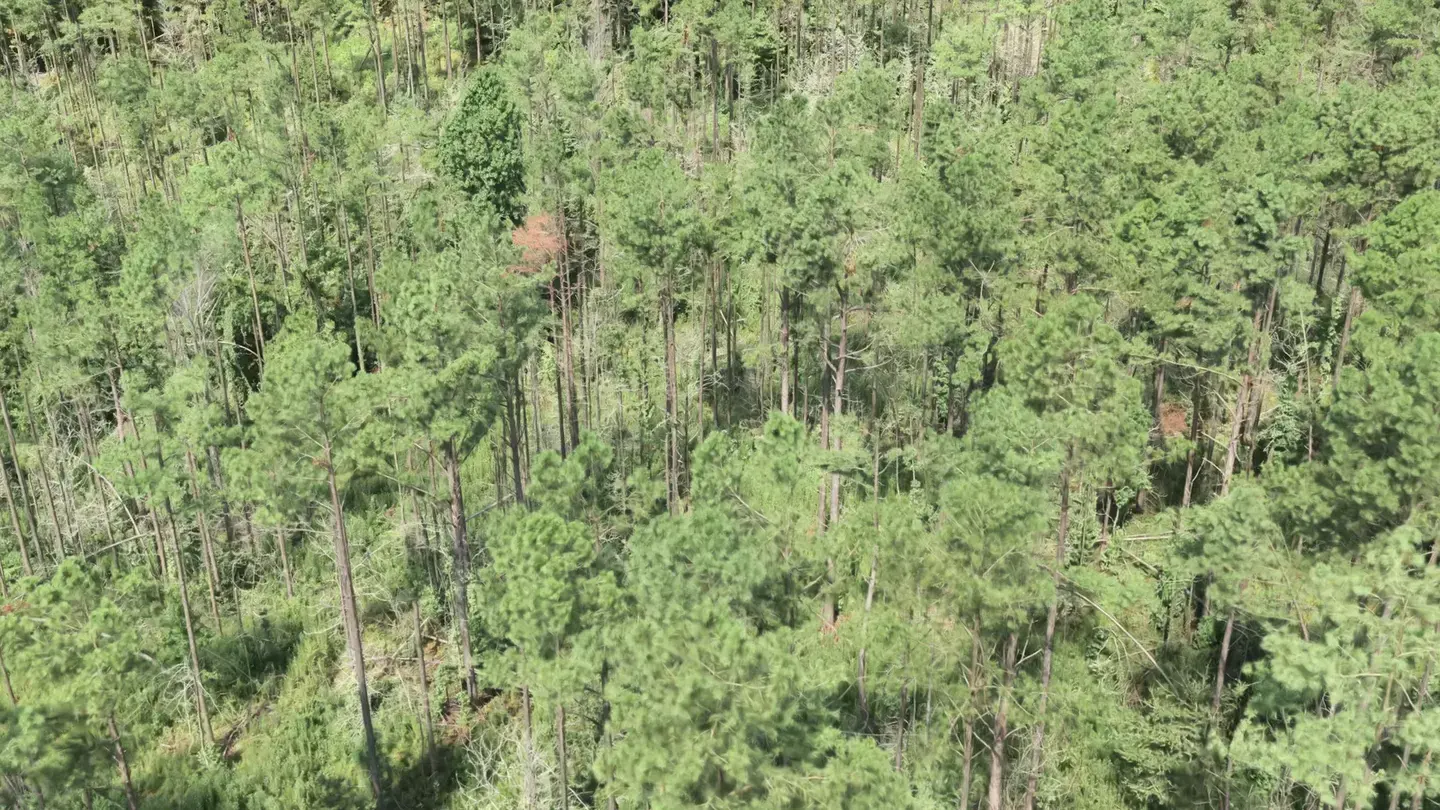 Height above ground
The same model, seen from the ground. Stems, understory and terrain are all there.
Three steps from a drone battery to a full tree list.
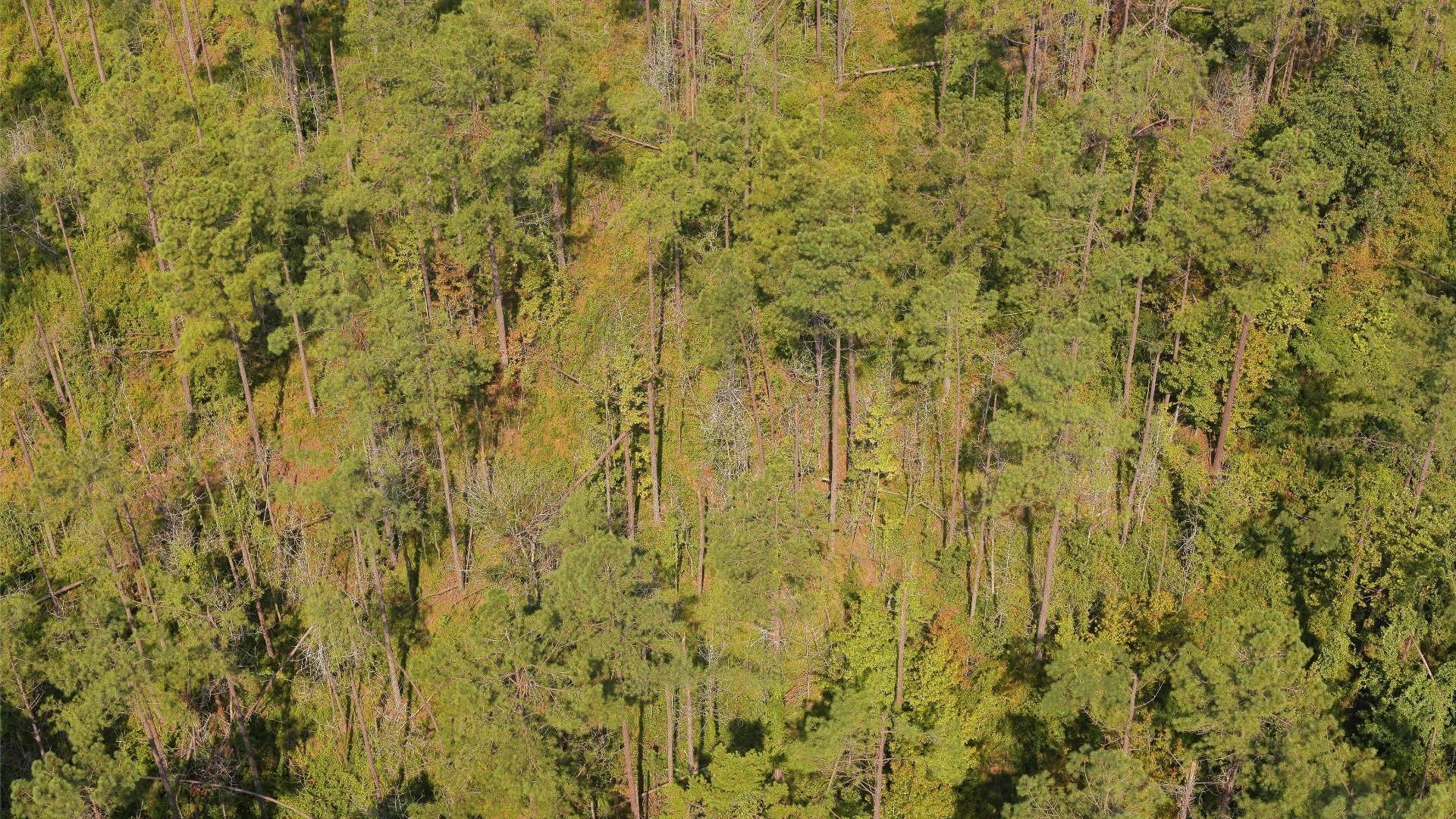
Photograph the property with the drone you already own. A Mini 3 or Air 2S handles a small block; a Trinity Pro or Matrice 4E covers a large tract.
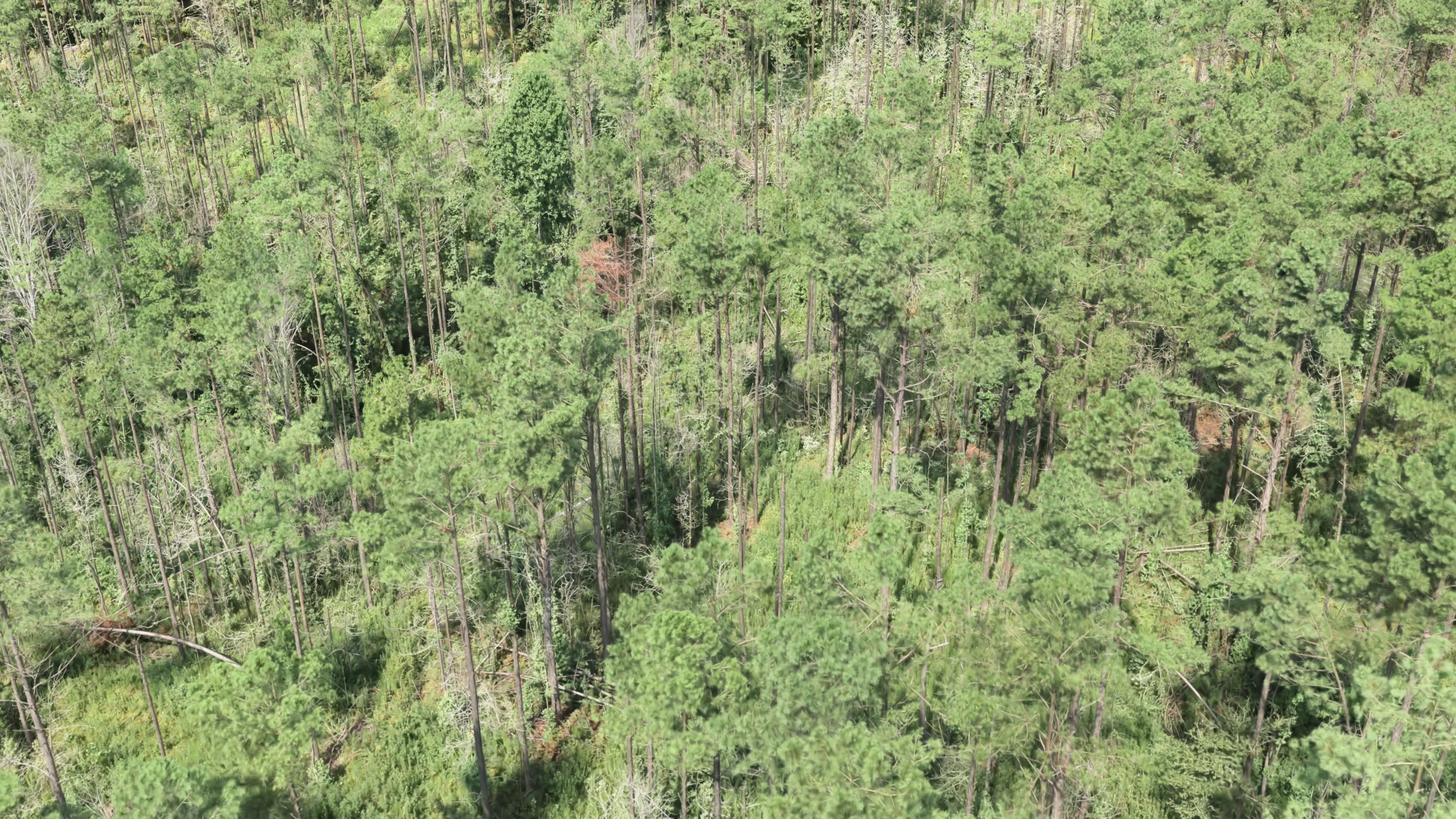
3D Forest Vision builds a 3D digital twin of the whole property from the photos, with every tree kept in its place.
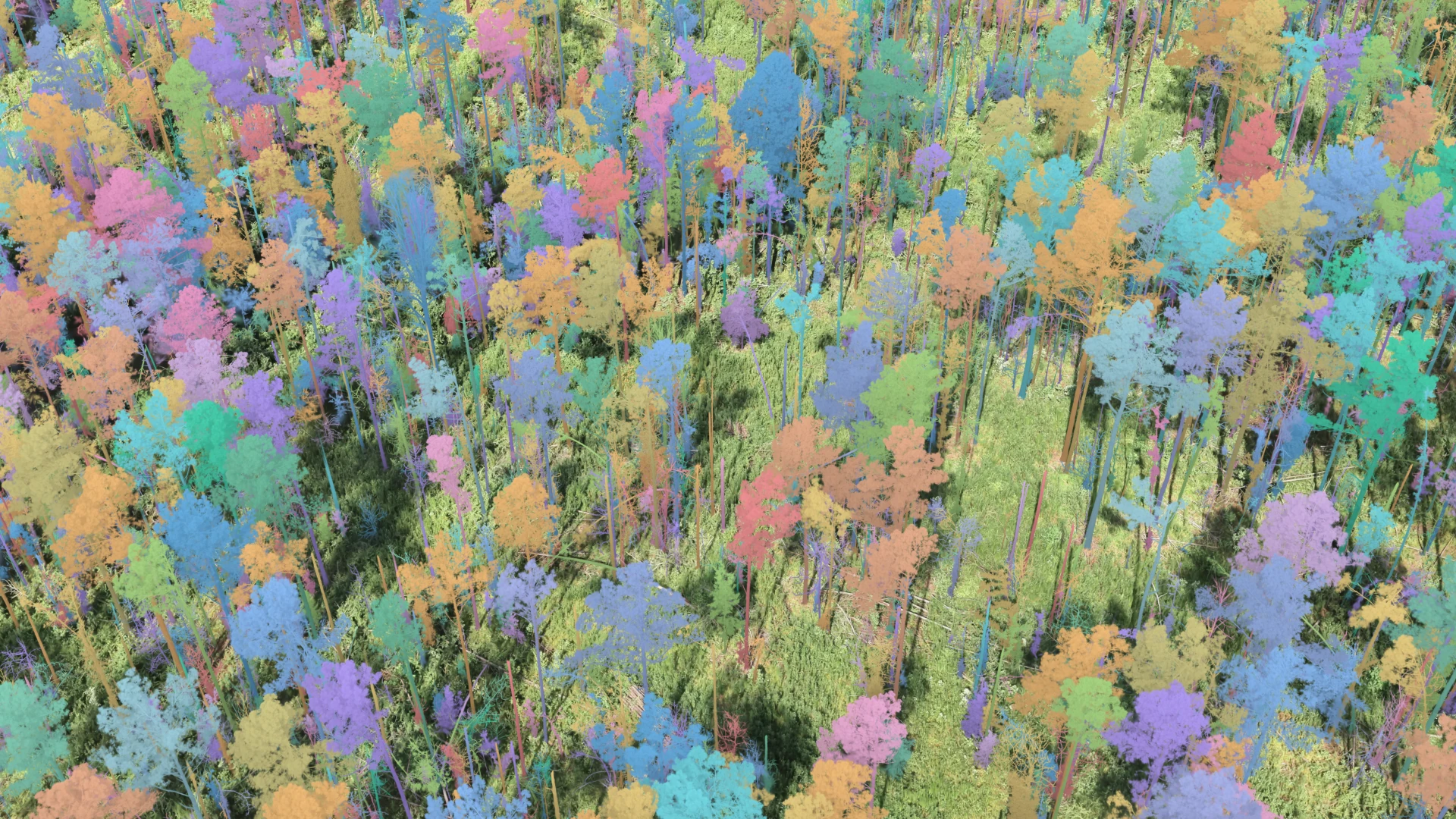
Our AI cruises the twin: counts, species, height, DBH, poles, damage, defects, timber products, biomass and carbon, delivered as maps, tables and the twin itself.
The numbers have to hold up in the woods.
Within 0.2 in on DBH on open stands. Counts, diameters and species benchmarked against ground scans.
Request the benchmarks



Founders, engineers and advisors from computer vision, ecology, forestry and climate science.

Former AI researcher at Harvard’s School of Engineering. Harvard CS. Roberts Family Fellow at Harvard Business School.
UC San Diego CS, formerly at Qualcomm Institute conducting extended reality and computer vision research.

Hamilton CS, former spatial AI engineer, founding engineer at Center Pixel and mathematics researcher.
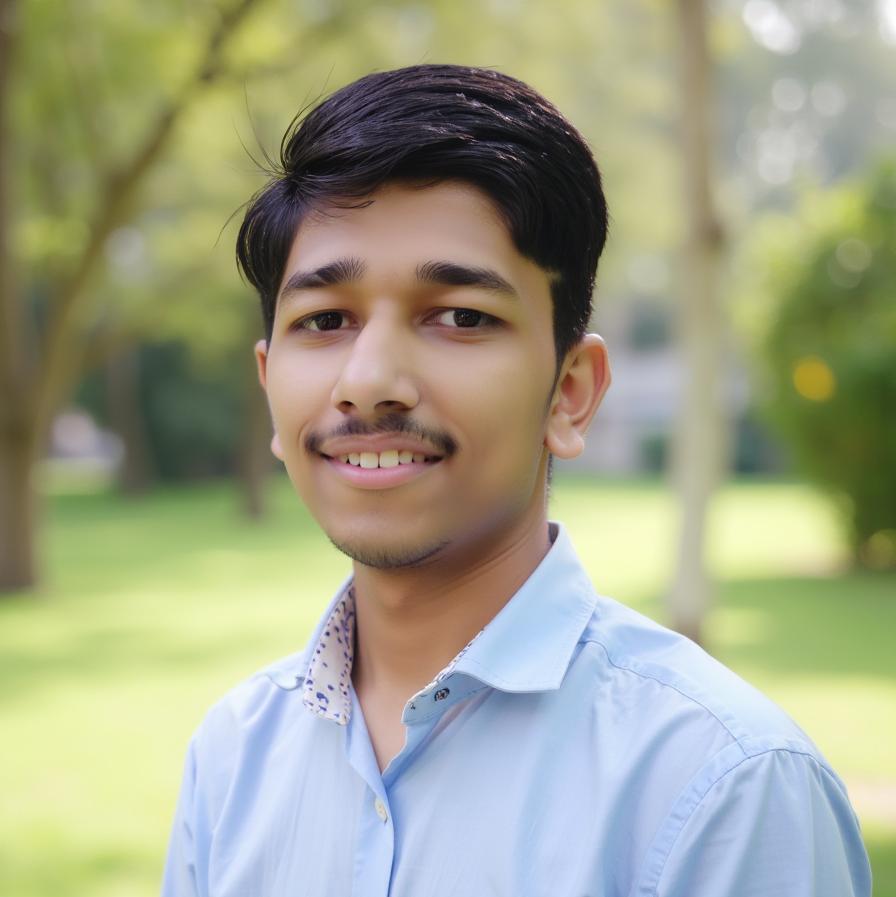
Leading key projects across ML and platform engineering.
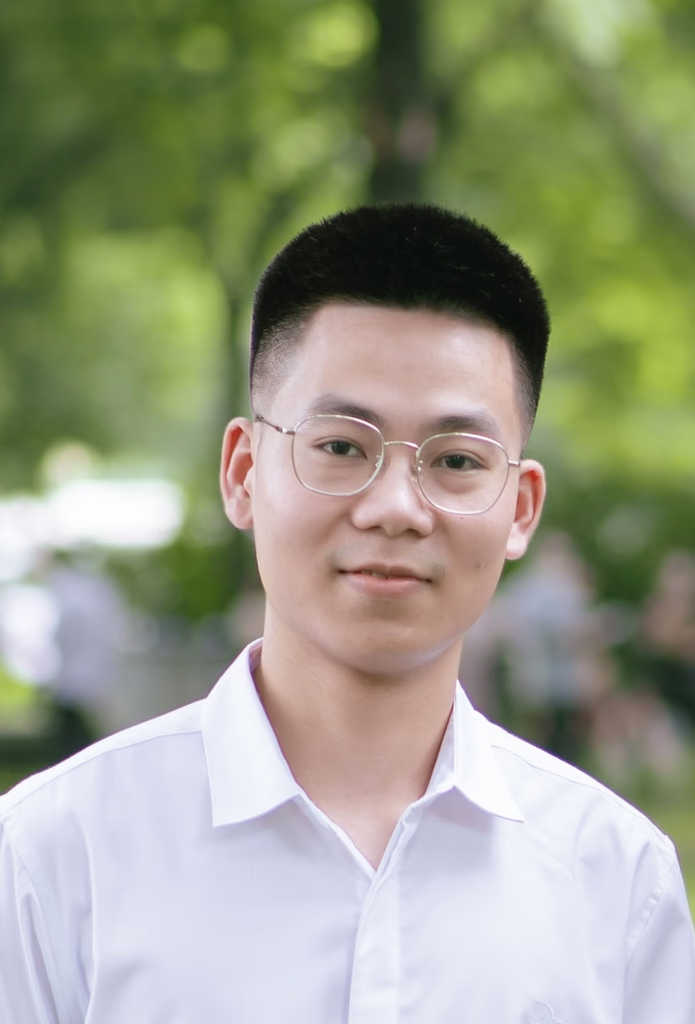
Ritsumeikan PhD in Computer Vision, 3D Geometry and Deep Learning, formerly at HUST.

Stanford MS CS, BS Math. Former quant trader at Jane Street and Five Rings, geospatial AI researcher at the Stanford AI Lab.

Formerly at PwC as a business risk consultant.
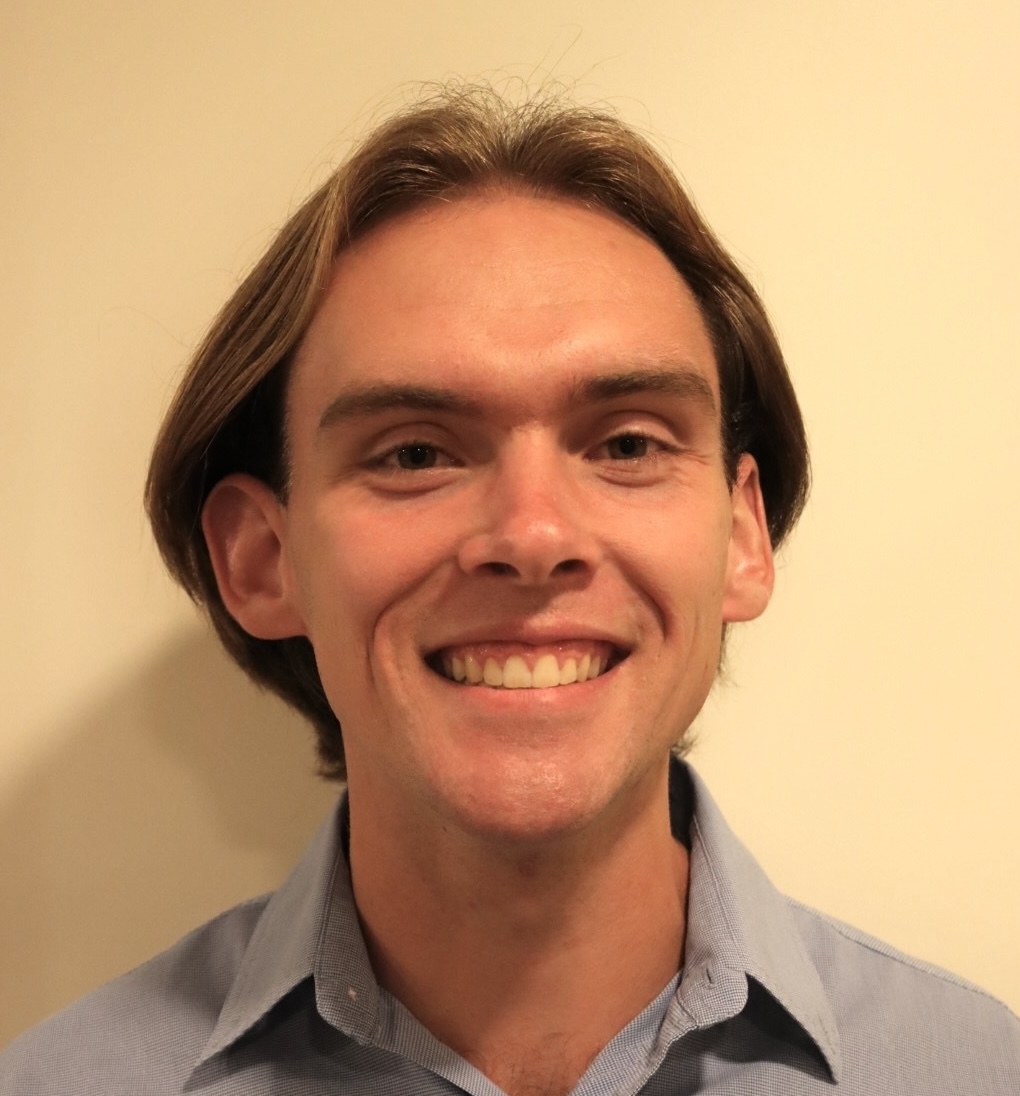
Harvard Ecology. Species and forestry expert. Ecology and geology researcher at Harvard.
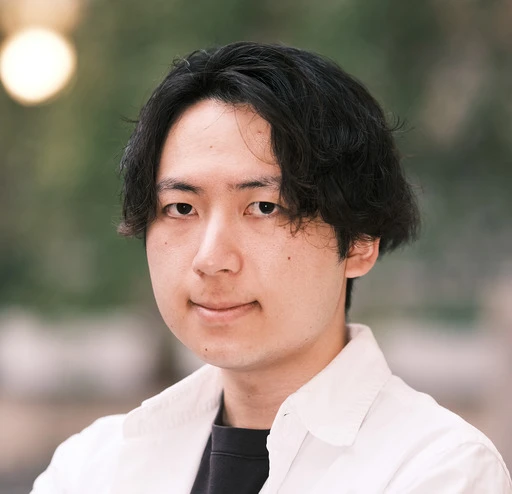
PhD student in Creative Informatics at the University of Tokyo, researching computer graphics with Prof. Nobuyuki Umetani.

PhD student at Oxford VGG, advised by Prof. Christian Rupprecht. Generative, multimodal and 3D foundation models. Formerly Ant Research.
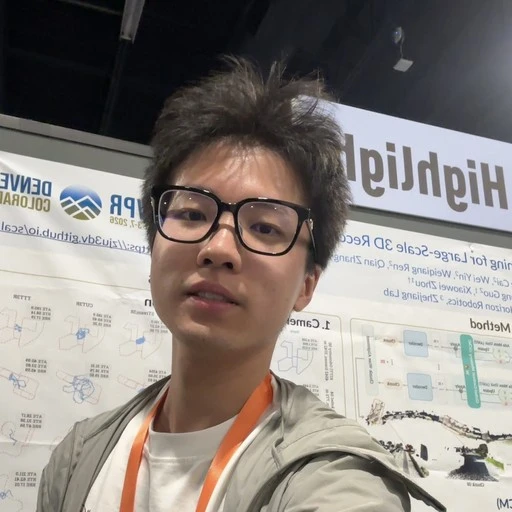
PhD student at Zhejiang University in the ZJU3DV group, working on spatial intelligence, agentic systems and world models. Formerly Horizon Robotics.
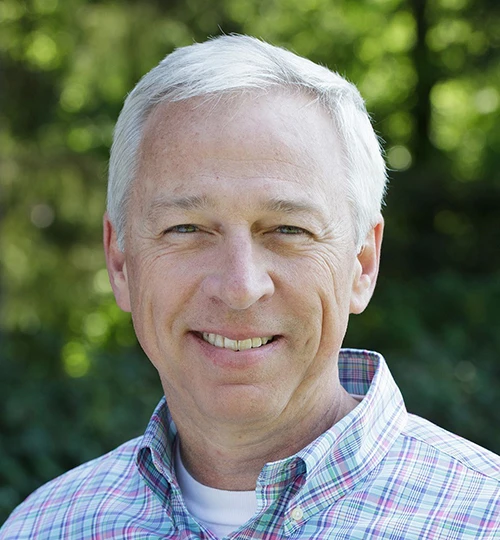
Weyerhaeuser’s Senior Vice President of Timberlands and Wood Products, 2013 to 2021.
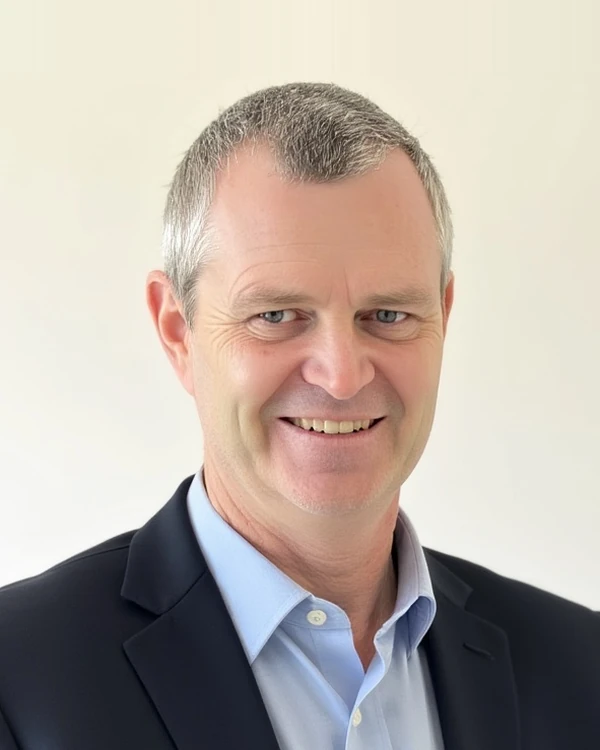
Rayonier’s Executive Vice President and Chief Resource Officer, 2023 to 2026. Fifth generation in the forest industry.
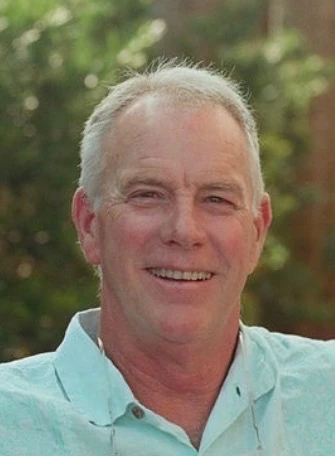
Former Chairman of the National Hardwood Lumber Association. Runs Turnbull Lumber in North Carolina.

Founder of Silvestrum Climate Associates. Advisor to Verra and the IUCN on scientific methodology. Formerly with NASA monitoring programs.
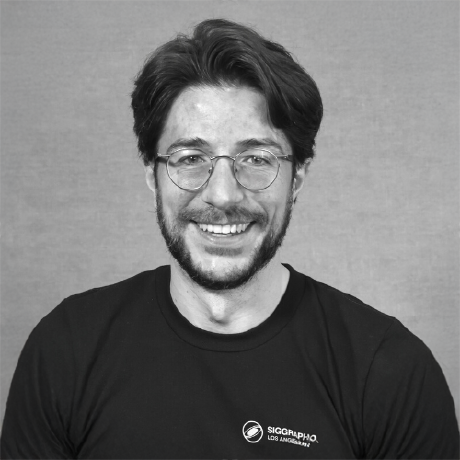
Associate Professor of Computer Science at Brown University. UCL PhD, formerly at Max Planck Institute for Informatics and Harvard.
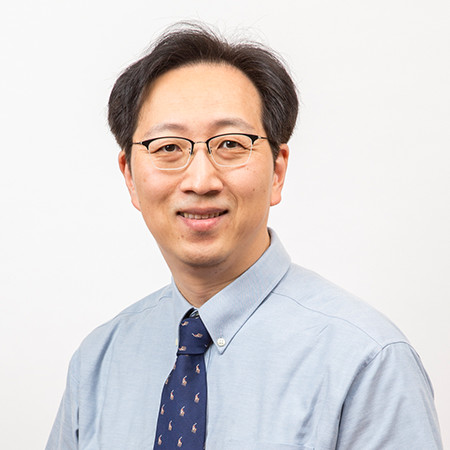
Professor of Information Science and Engineering at Ritsumeikan University. Formerly at CMU Robotics Institute and University of Tokyo.